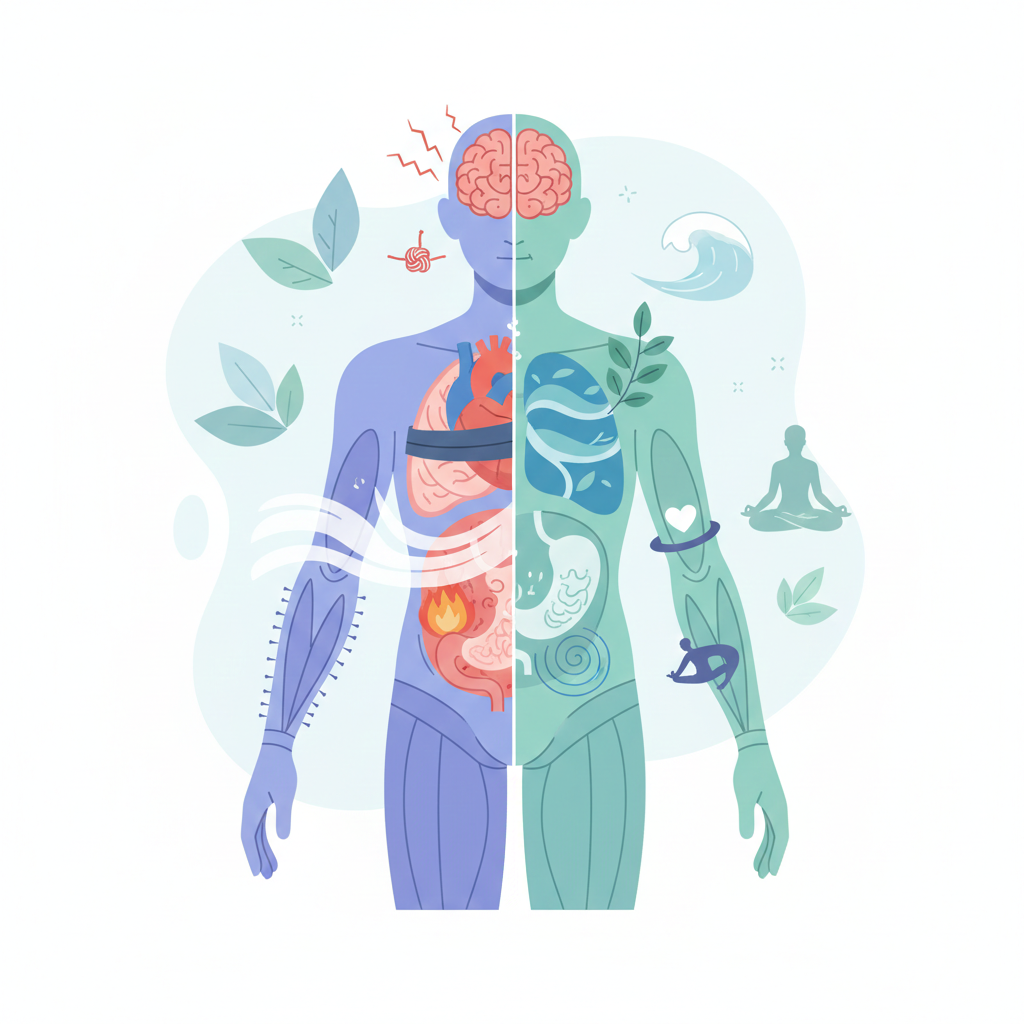

Best Daily Habits That Support Long-Term Health
Introduction
Long-term health is not built through extreme diets, short fitness challenges, or temporary motivation. It is shaped by the small, consistent actions you repeat every single day. Scientific research and real-world evidence show that simple daily habits—when practiced consistently—can significantly reduce the risk of chronic diseases, improve mental well-being, and increase overall life expectancy.
In this article, we will explore the best daily habits that support long-term health, backed by research and refined through competitor analysis of top-ranking health and wellness websites. This guide is designed to be ready to post, easy to read, and fully optimized for SEO.
1. Prioritize Quality Sleep Every Night

Sleep is one of the most powerful yet underestimated pillars of long-term health. During sleep, your body repairs tissues, balances hormones, strengthens immunity, and consolidates memory. Chronic sleep deprivation has been linked to heart disease, obesity, diabetes, and cognitive decline.
Healthy sleep habits include:
- Getting 7–9 hours of sleep each night
- Going to bed and waking up at the same time daily
- Avoiding screens at least one hour before bedtime
- Keeping your bedroom dark, quiet, and cool
Consistent sleep schedules are just as important as sleep duration when it comes to longevity and metabolic health.
2. Eat a Balanced, Whole-Food Diet

What you eat daily has a direct impact on your long-term health. A diet rich in whole foods provides essential nutrients, reduces inflammation, and supports heart and brain function.
Focus on including:
- Fresh fruits and vegetables for vitamins and antioxidants
- Lean proteins such as fish, eggs, legumes, and poultry
- Whole grains like oats, brown rice, and quinoa
- Healthy fats from nuts, seeds, olive oil, and avocados
Limiting ultra-processed foods, refined sugars, and trans fats helps lower the risk of chronic illnesses such as diabetes, cardiovascular disease, and obesity.
3. Move Your Body Every Day
Daily movement is essential for maintaining physical strength, mobility, and cardiovascular health. You don’t need intense workouts to benefit—consistent moderate activity is enough.
Simple ways to stay active daily:
- Walking 7,000–10,000 steps
- Stretching in the morning or evening
- Using stairs instead of elevators
- Taking short movement breaks during work
Regular physical activity improves circulation, boosts mood, enhances insulin sensitivity, and supports healthy aging.
4. Stay Properly Hydrated
Water plays a crucial role in digestion, circulation, temperature regulation, and detoxification. Even mild dehydration can affect energy levels, concentration, and physical performance.
Daily hydration tips:
- Start your morning with a glass of water
- Drink consistently throughout the day
- Increase intake during physical activity or hot weather
- Limit sugary drinks and excessive caffeine
Proper hydration supports kidney health, skin health, and overall metabolic function.
5. Manage Stress Through Mindfulness
Chronic stress is a major contributor to inflammation, hormonal imbalance, and weakened immunity. Developing daily stress-management habits protects both mental and physical health.
Effective stress-reducing habits include:
- Meditation or deep breathing for 5–10 minutes
- Journaling thoughts or gratitude
- Spending time in nature
- Practicing mindfulness during daily tasks
Managing stress consistently helps lower blood pressure, improve sleep, and enhance emotional resilience.
6. Support Mental and Cognitive Health
Long-term health is not only physical—it also includes brain health and emotional well-being. Keeping your mind active reduces the risk of cognitive decline and improves overall quality of life.
Daily brain-boosting habits:
- Reading or listening to educational content
- Learning new skills or hobbies
- Solving puzzles or brain games
- Maintaining meaningful social interactions
Mental stimulation and social engagement are strongly linked to longevity and reduced risk of dementia.
7. Avoid Harmful Habits
Supporting long-term health also means avoiding behaviors that cause cumulative damage over time.
Habits to limit or avoid:
- Smoking or tobacco use
- Excessive alcohol consumption
- Overeating processed and sugary foods
- Prolonged sedentary behavior
Eliminating or reducing these habits significantly lowers the risk of chronic disease and premature aging.
8. Get Daily Sunlight Exposure
Natural sunlight helps regulate your circadian rhythm, improve mood, and support vitamin D production. Morning sunlight exposure is especially beneficial for sleep quality and hormonal balance.
Aim for 10–20 minutes of sunlight daily, preferably in the morning, while practicing safe sun exposure habits.
9. Build Habits Slowly and Consistently
One of the biggest mistakes people make is trying to change everything at once. Long-term health is best supported by gradual, sustainable habit formation.
Tips for habit success:
- Start with one small habit at a time
- Attach new habits to existing routines
- Track progress weekly
- Focus on consistency, not perfection
Small actions repeated daily create powerful long-term results.
10. Maintain Strong Social Connections
Human connection plays a vital role in emotional and physical health. Strong relationships reduce stress, support mental health, and are linked to longer life expectancy.
Make time for:
- Family meals
- Friend conversations
- Community involvement
- Meaningful social interactions
Social well-being is a core component of a healthy, balanced life.
Conclusion
The best daily habits that support long-term health are simple, practical, and achievable. Quality sleep, balanced nutrition, daily movement, hydration, stress management, mental stimulation, and strong relationships form the foundation of lifelong wellness.
You don’t need to be perfect—just consistent. Start with one habit today, build gradually, and allow your daily actions to shape a healthier, longer, and more fulfilling life.
Frequently Asked Questions
Q1. What are the most important daily habits for long-term health?
The most important daily habits include quality sleep, balanced nutrition, regular physical activity, proper hydration, stress management, and maintaining social connections.
Q2. How long does it take to build healthy daily habits?
Most healthy habits take several weeks to months to form. Consistency and gradual changes are more effective than sudden lifestyle overhauls.
Q3. Can small daily habits really improve long-term health?
Yes. Small daily habits, when practiced consistently, significantly reduce the risk of chronic diseases and improve overall longevity.
Q4. Is exercise necessary every day for long-term health?
Daily movement is beneficial, but it does not need to be intense. Walking, stretching, and light physical activity are enough to support long-term health.