
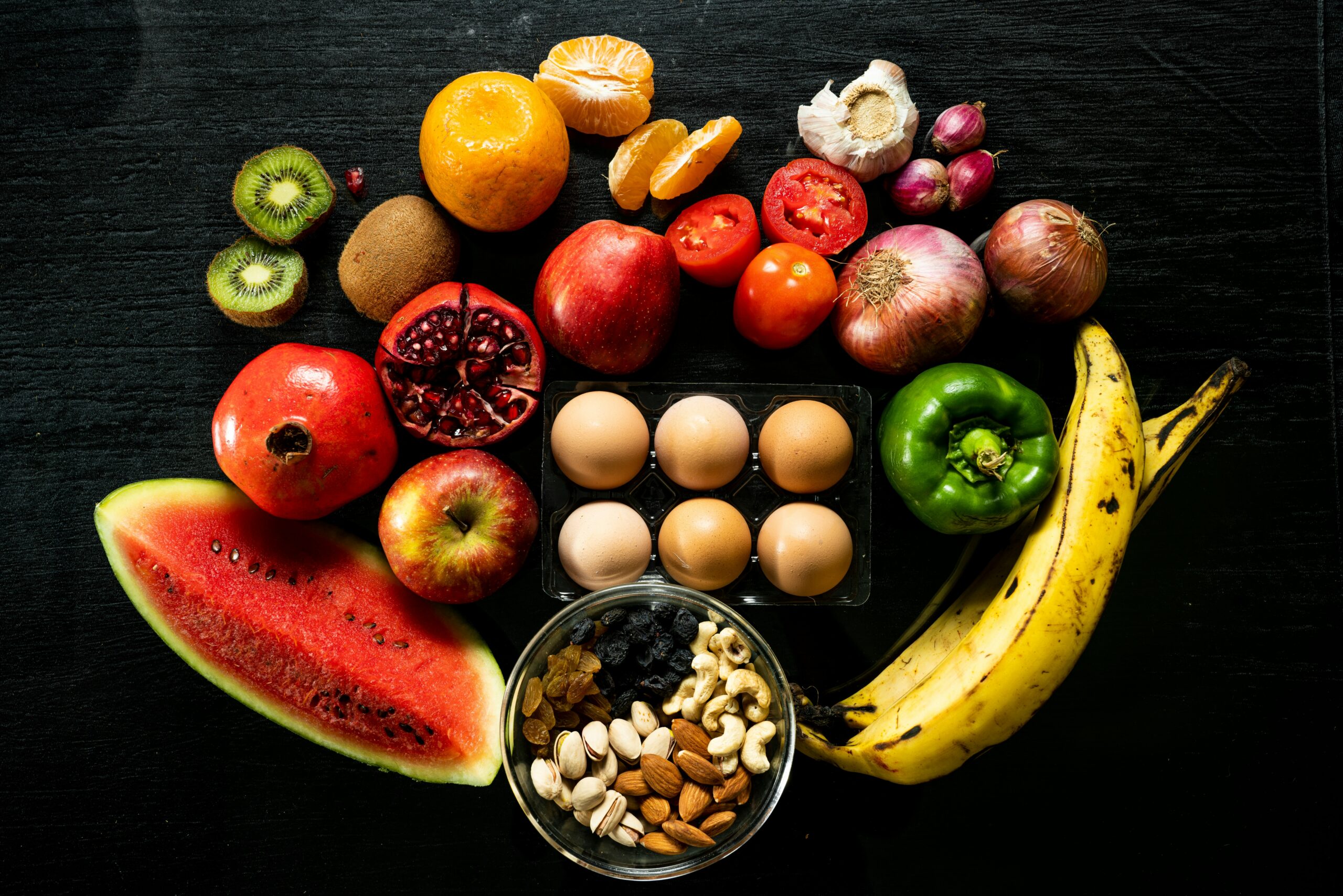
Beginner’s Guide to Daily Nutrition for a Healthy Lifestyle
Introduction
In today’s fast-moving world, many people struggle to maintain healthy eating habits. Busy schedules, processed foods, and confusing diet trends often make nutrition feel complicated. However, daily nutrition does not have to be difficult. With the right knowledge and simple habits, anyone can build a healthy lifestyle through balanced eating.
This beginner’s guide to daily nutrition is designed to educate people in a simple and practical way. You will learn what daily nutrition means, why it matters, which nutrients your body needs, and how to build healthy meals without following extreme diets. If you are starting your health journey, this guide will help you take the first confident step.
What Is Daily Nutrition?
Daily nutrition refers to the food and nutrients your body needs every day to function properly. It includes carbohydrates, proteins, fats, vitamins, minerals, fiber, and water. Each nutrient plays an important role in providing energy, supporting immunity, maintaining organs, and preventing disease.
Good daily nutrition is not about eating less or following strict rules. It is about eating the right foods in the right amounts consistently. When your body receives balanced nutrition every day, you feel more energetic, focused, and physically strong.
Why Daily Nutrition Is Important for a Healthy Lifestyle
Proper daily nutrition supports both physical and mental health. When your diet is balanced, your body can perform daily activities efficiently and recover faster from stress and illness.
Some key benefits of daily nutrition include:
- Improved energy levels throughout the day
- Better digestion and gut health
- Stronger immune system
- Healthy weight management
- Reduced risk of lifestyle diseases such as diabetes, heart disease, and obesity
- Improved concentration, mood, and sleep quality
A healthy lifestyle starts with what you eat daily. Exercise, sleep, and stress management work best when supported by proper nutrition.
Essential Nutrients Your Body Needs Daily
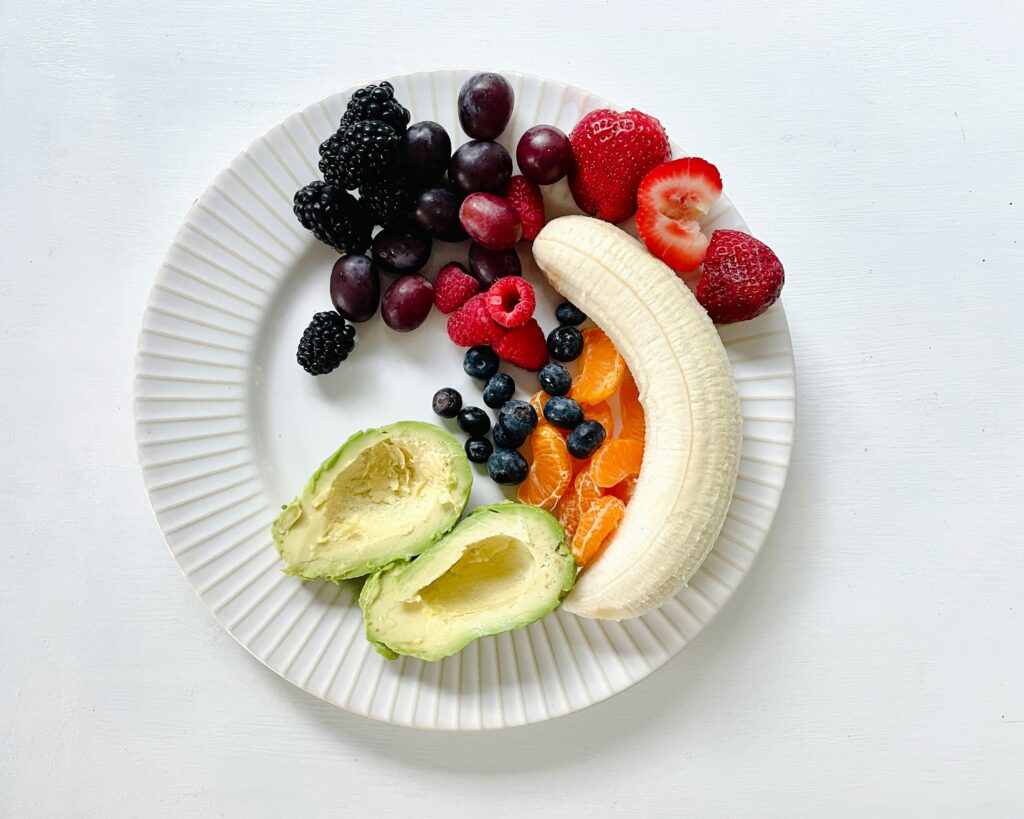
To maintain a healthy lifestyle, your daily diet should include both macronutrients and micronutrients.
Carbohydrates
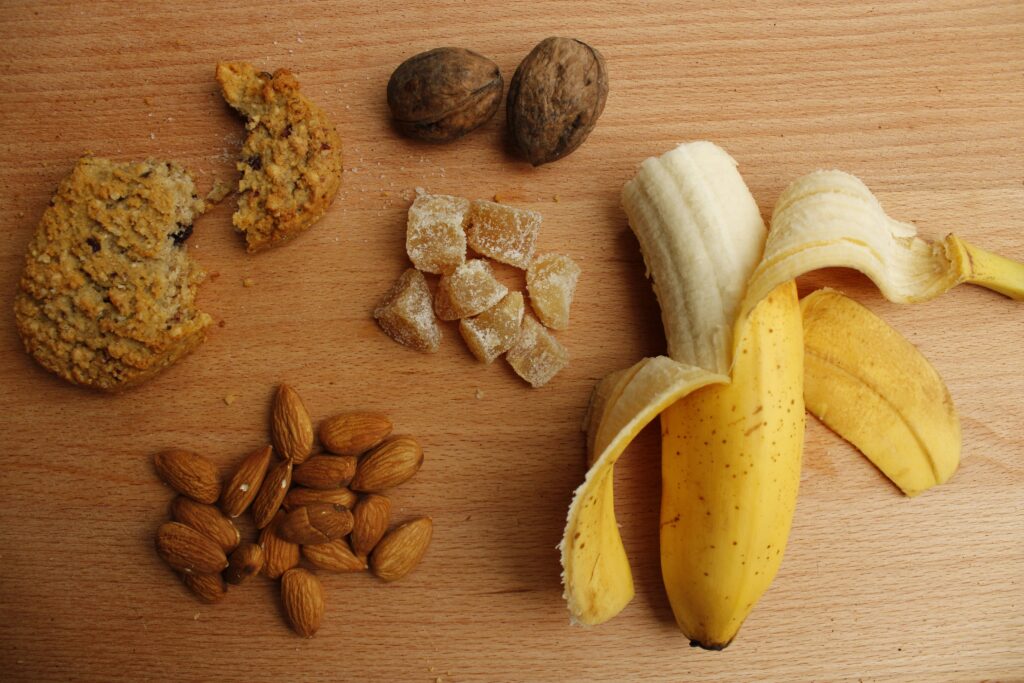
Carbohydrates are the body’s main source of energy. They fuel your brain, muscles, and nervous system. Healthy carbohydrates come from whole grains, fruits, vegetables, and legumes. These foods also provide fiber, which helps digestion and keeps you full for longer.
Avoid refined carbohydrates like white bread, sugary snacks, and soft drinks, as they cause energy crashes and weight gain.
Proteins

Proteins help build and repair muscles, tissues, enzymes, and hormones. They are essential for growth, immunity, and recovery. Include protein in every meal to maintain muscle strength and control hunger.
Healthy protein sources include eggs, fish, chicken, lentils, beans, dairy products, tofu, and nuts.
Healthy Fats
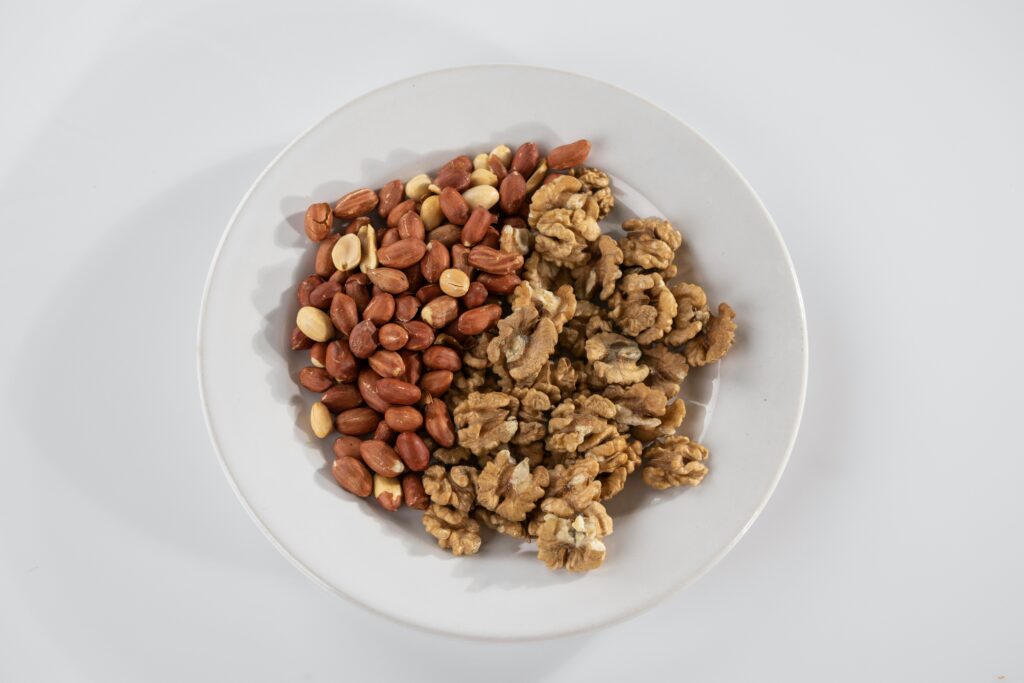
Fats are important for brain function, hormone balance, and vitamin absorption. Not all fats are bad. Healthy fats support heart health and keep your skin and hair healthy.
Choose sources like nuts, seeds, avocados, olive oil, and fatty fish. Limit intake of fried foods and trans fats.
Vitamins and Minerals
Vitamins and minerals support immunity, bone health, blood circulation, and metabolism. Eating a variety of fruits, vegetables, whole grains, and dairy ensures you get enough micronutrients naturally.
Water
Water is essential for digestion, nutrient transport, body temperature control, and detoxification. Dehydration can cause fatigue, headaches, and poor concentration. Drinking enough water daily is one of the easiest ways to improve health.
How to Build a Balanced Daily Meal
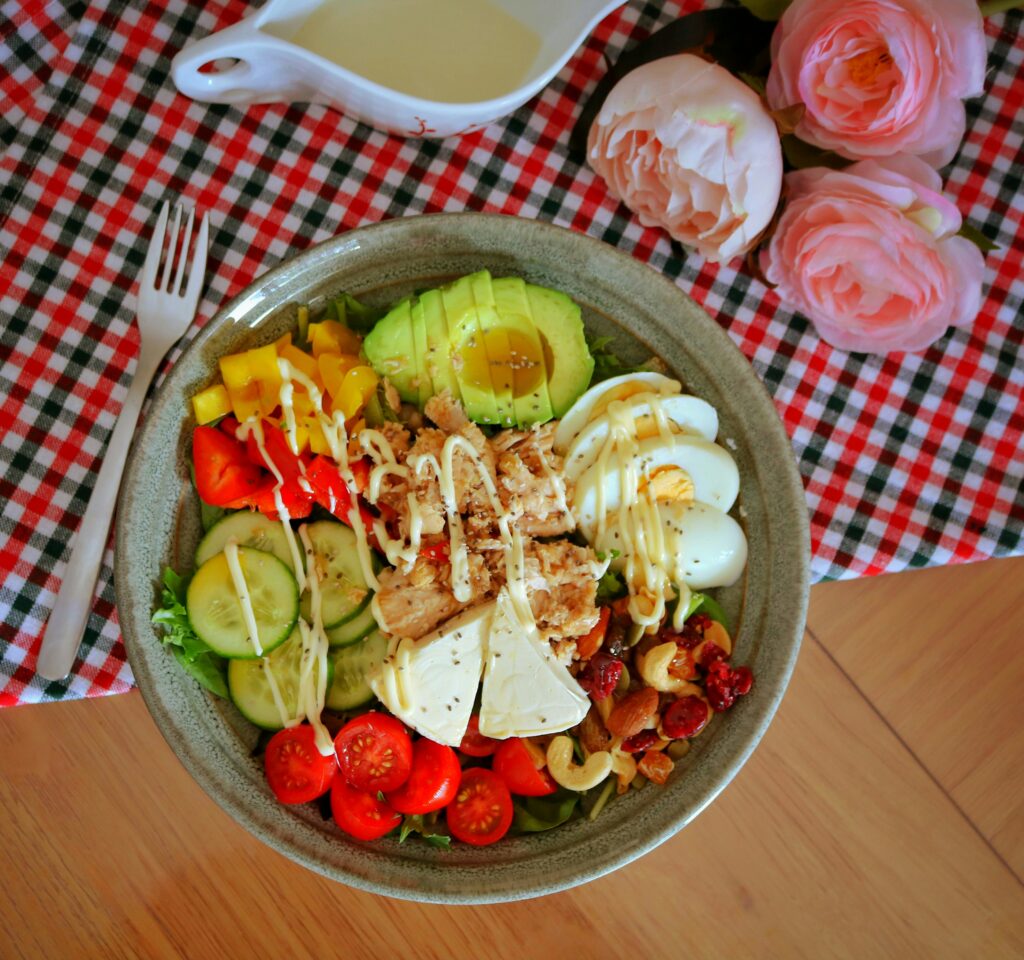
A balanced meal provides all essential nutrients in proper proportions. The easiest way to build a healthy plate is to follow this structure:
- Half of your plate should contain vegetables and fruits
- One quarter should contain lean protein
- One quarter should contain whole grains or healthy carbohydrates
- Add a small amount of healthy fats
- Drink water with every meal
This method helps control portion sizes and ensures nutrient balance without calorie counting.
Healthy Daily Eating Habits for Beginners
Start Your Day with a Nutritious Breakfast
Breakfast fuels your body after overnight fasting. A balanced breakfast improves energy, focus, and metabolism. Include protein, fiber, and healthy fats instead of sugary cereals or bakery items.
Eat at Regular Intervals
Skipping meals can slow metabolism and lead to overeating later. Eating regular meals and healthy snacks helps maintain stable blood sugar levels and prevents cravings.
Practice Portion Control
Eating healthy food in large portions can still cause weight gain. Listen to your hunger signals, eat slowly, and stop when you feel satisfied.
Limit Processed and Junk Foods
Highly processed foods are often high in sugar, salt, and unhealthy fats. Regular consumption increases the risk of obesity and chronic diseases. Replace processed snacks with fruits, nuts, yogurt, or homemade meals.
Stay Hydrated Throughout the Day
Drink water regularly, not only when you feel thirsty. Replace sugary beverages with water, lemon water, or herbal teas.
Simple Sample Daily Nutrition Plan
Here is a beginner-friendly daily nutrition example:
Breakfast:
Oatmeal with fruits and nuts or eggs with whole-grain toast
Mid-Morning Snack:
One fruit or a handful of nuts
Lunch:
Rice or roti with vegetables and lentils, chicken, or fish
Afternoon Snack:
Yogurt or sprouts
Dinner:
Light meal with vegetables, protein, and whole grains
This type of meal plan is balanced, easy to follow, and suitable for most people.
Common Nutrition Mistakes Beginners Should Avoid
Many beginners unknowingly make mistakes that slow progress. Some common errors include:
- Following extreme or fad diets
- Skipping meals to lose weight
- Completely avoiding carbohydrates or fats
- Relying too much on supplements instead of real food
- Ignoring hydration and fiber intake
Sustainable nutrition focuses on balance, not restriction.
Tips to Maintain Daily Nutrition Long-Term
Consistency is more important than perfection. Small daily habits create long-lasting results.
- Plan meals in advance to avoid unhealthy choices
- Cook at home more often
- Eat a variety of foods for better nutrition
- Track your progress, not just your weight
- Allow flexibility without guilt
Healthy eating is a lifestyle, not a temporary plan.
Conclusion
Daily nutrition plays a vital role in building and maintaining a healthy lifestyle. You do not need expensive foods, complicated diets, or strict rules to stay healthy. By understanding basic nutrition, choosing balanced meals, and developing simple habits, anyone can improve their health naturally.
Start small, stay consistent, and focus on nourishing your body every day. Over time, these daily nutrition choices will lead to better energy, stronger immunity, and long-term well-being.
FAQs
1. What is the best daily nutrition for beginners?
A balanced diet with whole grains, proteins, fruits, vegetables, healthy fats, and enough water is best for beginners.
2. How many meals should I eat daily?
Most people benefit from three balanced meals and one or two healthy snacks.
3. Is it necessary to avoid carbs for a healthy lifestyle?
No. Healthy carbohydrates are essential for energy and overall health.
4. Can I follow daily nutrition without supplements?
Yes. Most nutrients can be obtained from a balanced diet unless prescribed by a doctor.
5. How long does it take to see results from healthy eating?
Energy and digestion improvements can appear within weeks, while long-term benefits develop over months.
6. Is drinking water part of daily nutrition?
Yes. Water is essential for digestion, metabolism, and overall body function.
7. Can daily nutrition improve mental health?
Yes. Balanced nutrition supports brain health, mood stability, and concentration.