How Stress Affects Your Body and Simple Ways to Manage It

Stress affects your body have become an unavoidable part of modern life. Whether it comes from work pressure, financial worries, family responsibilities, or health concerns, stress affects almost everyone at some point. While short-term stress can sometimes help you stay alert and focused, chronic stress can seriously harm both your physical and mental health if left unmanaged.
In this article, we’ll explore how stress affects your body, the warning signs you shouldn’t ignore, and simple, practical ways to manage stress effectively for long-term well-being.
What Is Stress?
Stress is your body’s natural response to challenging or threatening situations. When you encounter stress, your brain triggers the release of hormones such as cortisol and adrenaline. These hormones prepare your body for a “fight-or-flight” response by increasing heart rate, blood pressure, and energy levels.
This response is helpful in emergencies. However, when stress becomes constant, the body remains in a heightened state of alert, which can gradually damage multiple systems in the body.
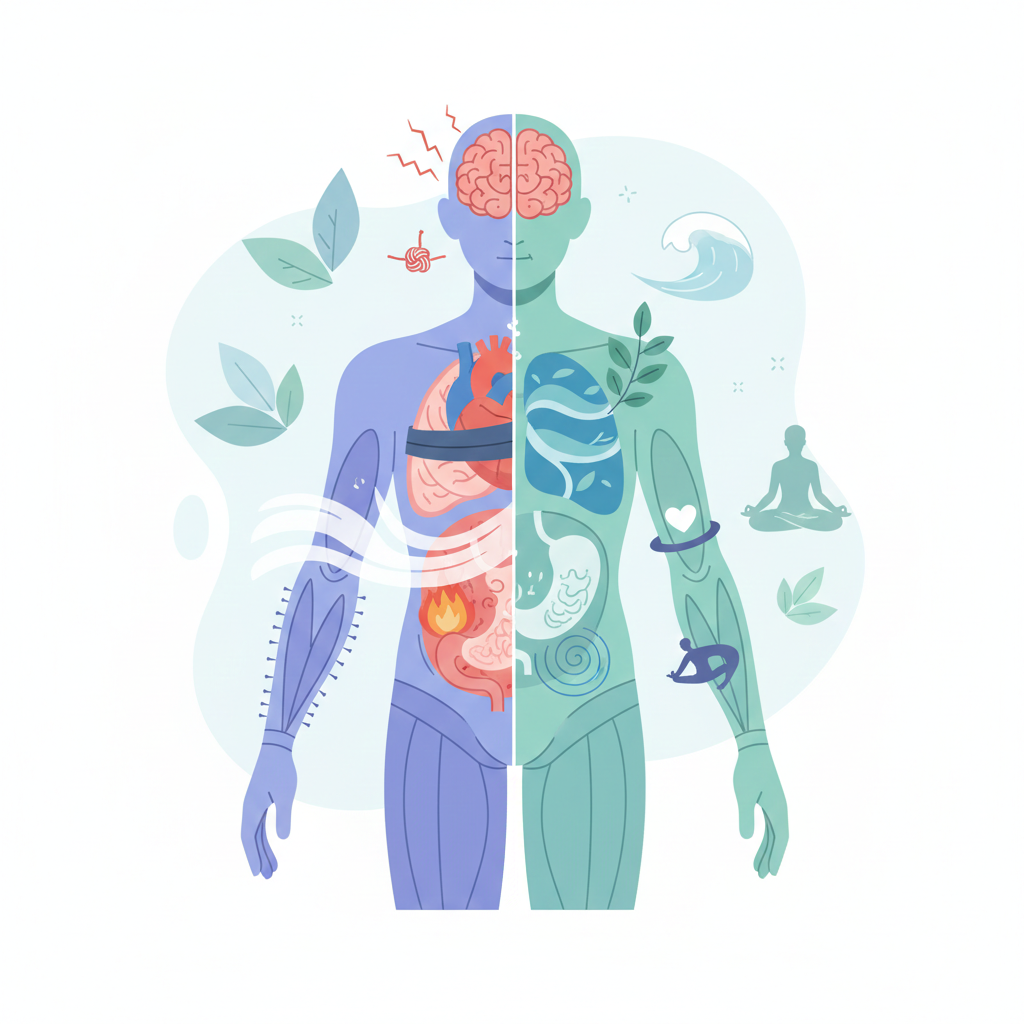
How Stress Affects Your Body
1. Stress and the Heart
Chronic stress increases heart rate and blood pressure, placing extra strain on the cardiovascular system. Over time, this can contribute to high blood pressure, heart disease, and an increased risk of stroke. Stress may also encourage unhealthy habits such as poor diet and lack of exercise, further impacting heart health.
2. Muscle Tension and Pain
Stress causes muscles to tighten as a protective response. When this tension becomes prolonged, it can lead to neck pain, shoulder stiffness, back pain, and frequent headaches. Many people with chronic stress experience persistent muscle discomfort without realizing stress is the underlying cause.
3. Weakened Immune System
Ongoing stress suppresses the immune system, making the body less effective at fighting infections. People under chronic stress may get sick more often, take longer to recover, and feel constantly fatigued. This weakened immunity can also worsen existing health conditions.
4. Digestive Problems
Stress has a direct impact on the digestive system. It can cause stomach pain, bloating, acid reflux, constipation, or diarrhea. Chronic stress may worsen conditions like irritable bowel syndrome (IBS) and disrupt healthy gut bacteria, affecting overall digestion and nutrient absorption.
5. Sleep Disturbances
Stress often interferes with sleep quality. Racing thoughts, anxiety, and elevated cortisol levels can make it difficult to fall asleep or stay asleep. Poor sleep further increases stress levels, creating a cycle that negatively affects energy, mood, and concentration.
6. Mental and Emotional Health
Long-term stress is closely linked to anxiety, depression, mood swings, irritability, and difficulty focusing. It can reduce motivation, affect memory, and make everyday tasks feel overwhelming. Emotional exhaustion is a common result of unmanaged stress.
7. Behavioral Changes
Stress often changes how people behave. Some may overeat or lose appetite, withdraw socially, procrastinate, or rely on unhealthy coping habits such as smoking or excessive alcohol consumption. These behaviors may provide temporary relief but worsen stress in the long run.
Common Signs and Symptoms of Stress affects your body
Recognizing stress early can prevent serious health issues.
Physical signs:
- Headaches
- Muscle pain or tension
- Fatigue
- Digestive discomfort
- Sleep problems
Emotional signs:
- Anxiety
- Irritability
- Feeling overwhelmed
- Low motivation
Behavioral signs:
- Changes in eating habits
- Social withdrawal
- Difficulty concentrating
If these symptoms persist, it’s important to take action.
Simple and Effective Ways to Manage Stress affects your body
The good news is that stress can be managed with consistent, healthy habits. Below are simple, proven strategies suitable for beginners and busy lifestyles.
1. Practice Deep Breathing and Mindfulness
Deep breathing activates the body’s relaxation response and reduces stress hormones. Mindfulness and meditation help calm the mind and improve emotional control.
Simple breathing technique:
- Inhale slowly through your nose for 4 seconds
- Hold for 4 seconds
- Exhale slowly through your mouth for 6 seconds
Repeat for several minutes daily.
2. Stay Physically Active
Regular physical activity helps release endorphins, which naturally improve mood and reduce stress. You don’t need intense workouts—walking, yoga, stretching, or light strength training can be very effective.
Aim for at least 30 minutes of movement most days of the week.
3. Prioritize Quality Sleep
Good sleep is essential for stress recovery. Establish a regular sleep routine, avoid screens before bedtime, and create a calm sleeping environment.
Adults should aim for 7–9 hours of quality sleep per night to support mental and physical health.
4. Eat a Balanced, Nutritious Diet
What you eat affects how your body handles stress. Choose whole foods such as fruits, vegetables, lean proteins, whole grains, and healthy fats. Avoid excessive caffeine, sugar, and processed foods, which can increase anxiety and energy crashes.
Eating regular meals helps stabilize blood sugar and mood.
5. Stay Socially Connected
Strong social connections reduce stress and provide emotional support. Talking with friends, family, or trusted individuals can help you feel understood and less isolated.
Even short conversations or shared activities can improve emotional well-being.
6. Engage in Relaxing Activities
Hobbies and leisure activities allow the mind to disconnect from stress. Reading, listening to music, gardening, creative arts, or spending time in nature can significantly improve mental health.
Schedule time for relaxation just like any other important task.
7. Limit Unhealthy Coping Mechanisms
Avoid relying on alcohol, smoking, or excessive screen time to cope with stress. These habits may provide temporary relief but worsen stress and health over time. Choose healthier coping methods such as exercise, breathing techniques, or creative outlets.
Long-Term Lifestyle Habits for Stress Resilience
Building resilience helps you manage future stress more effectively.
- Time management: Plan your day and set realistic goals
- Gratitude practice: Write down positive moments daily
- Journaling: Express thoughts to reduce mental overload
- Mind-body practices: Yoga and stretching improve balance and calm
Consistency is more important than perfection.
When to Seek Professional Help
While lifestyle changes help most people, professional support is important if:
- Stress feels unmanageable
- Anxiety or depression persists
- Daily functioning is affected
A healthcare professional or therapist can provide personalized guidance and support.
Conclusion
Stress affects nearly every system in the body—from heart health and digestion to sleep and emotional well-being. Left unmanaged, it can lead to serious health problems. However, by understanding how stress impacts your body and practicing simple, healthy habits, you can regain control and protect your overall health.
Start small, stay consistent, and remember that managing stress is a long-term investment in your well-being.
FAQs
Q1. How does stress affect the body physically?
Stress can increase heart rate, weaken the immune system, disrupt digestion, cause muscle tension, and interfere with sleep patterns.
Q2. What are common signs of stress?
Common signs include headaches, fatigue, anxiety, irritability, sleep problems, digestive issues, and difficulty concentrating.
Q3. Can stress cause long-term health problems?
Yes, chronic stress may contribute to heart disease, high blood pressure, depression, weakened immunity, and digestive disorders.
Q4. What are simple ways to manage stress daily?
Deep breathing, regular exercise, quality sleep, healthy eating, mindfulness, and staying socially connected help manage stress effectively.
Q5. When should I seek professional help for stress?
If stress becomes overwhelming, persistent, or affects daily life, consulting a healthcare professional or therapist is recommended.