
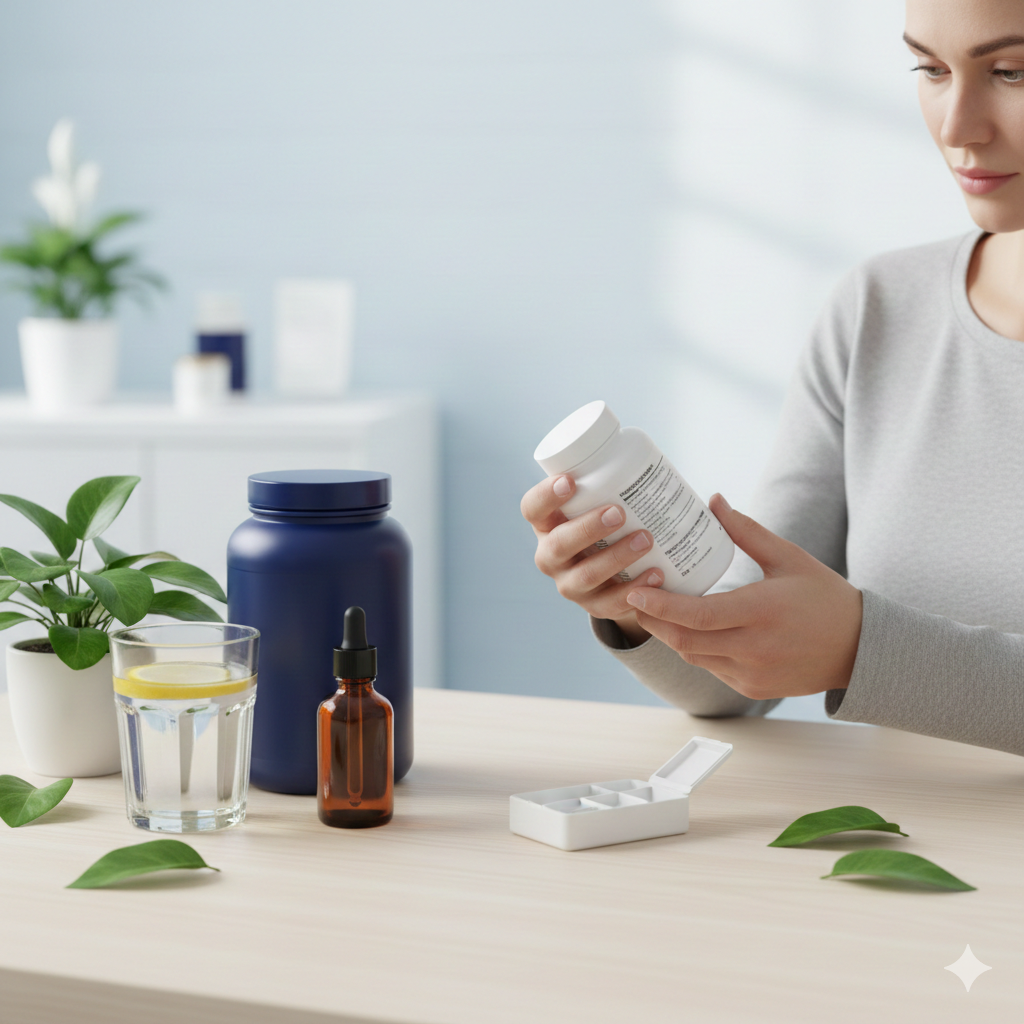
What to Look for Before Buying a Health Supplement

Health supplements have become a regular part of modern lifestyles. From multivitamins and protein powders to herbal extracts and immunity boosters, people are increasingly turning to Health Supplement to support their overall health. However, with the growing demand comes a flood of products—many of which are poorly formulated, misleadingly marketed, or even unsafe.
Choosing the right health supplement requires more than just trusting advertisements or online reviews. It demands awareness, research, and a clear understanding of what your body actually needs. This guide explains exactly what to look for before buying a health supplement, helping you make safe, informed, and effective choices.
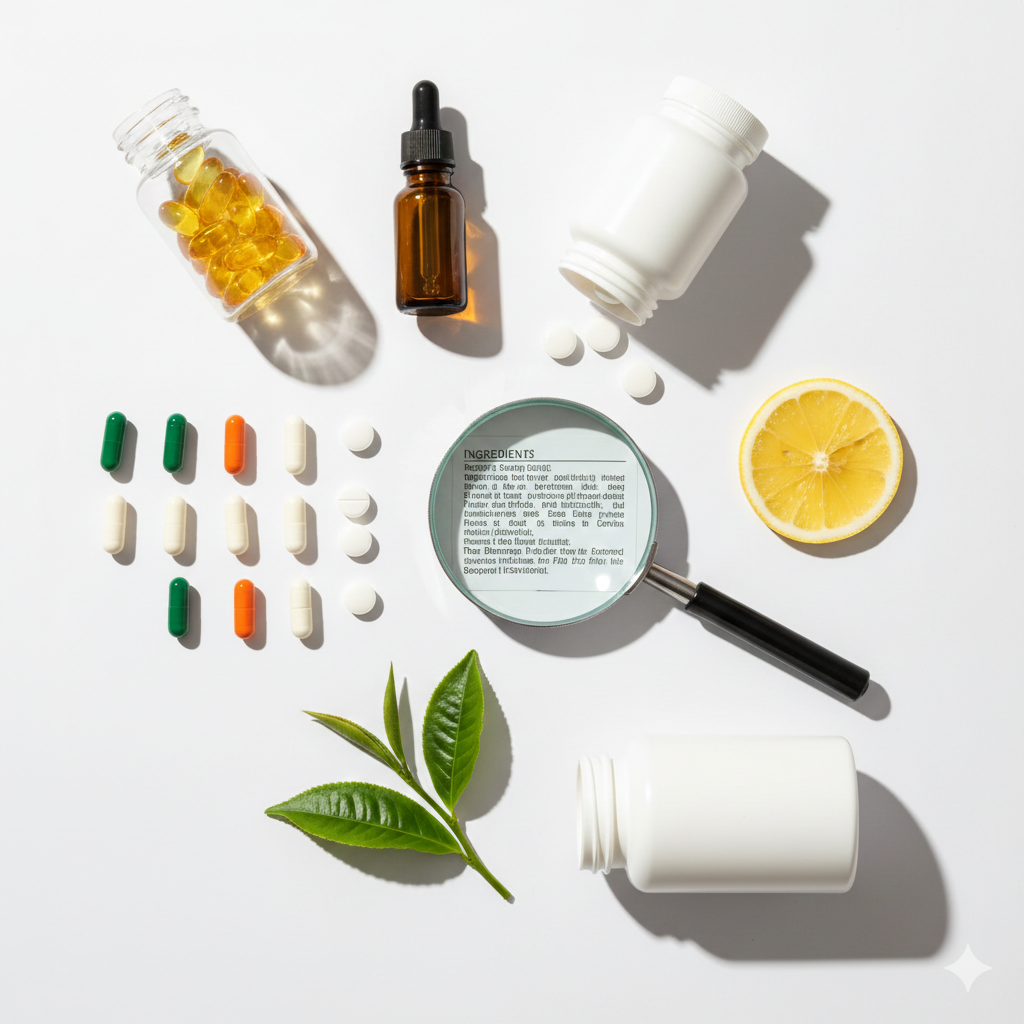
What to Look for Before Buying a Health Supplement
Understand Why You Need a Health Supplement
Before purchasing any supplement, the first and most important step is identifying your real need. Supplements are meant to support health, not replace a balanced diet or medical treatment. Taking unnecessary supplements can lead to side effects, nutrient imbalances, or wasted money.
Ask yourself whether you are trying to:
- Correct a nutrient deficiency
- Improve energy, immunity, digestion, or sleep
- Support fitness or recovery
- Follow a doctor’s or nutritionist’s advice
Avoid self-diagnosing based on trends or social media. If possible, consult a healthcare professional or confirm deficiencies through blood tests. Buying supplements without a clear purpose often leads to ineffective or unsafe usage.
Check for Third-Party Testing and Certifications
One of the most critical factors when buying a health supplement is quality verification. Unlike prescription medicines, supplements are not strictly regulated in many countries. This makes third-party testing extremely important.
Reliable supplements are often tested by independent organizations that verify:
- Ingredient accuracy
- Purity and safety
- Absence of harmful contaminants
- Correct dosage levels
Look for well-known certification seals on the packaging or website. These certifications indicate that the product has undergone rigorous testing beyond the manufacturer’s own claims. If a brand avoids transparency or provides no testing proof, it is better to avoid it.
Read the Ingredient Label Carefully
A supplement label should clearly list every ingredient along with its exact dosage. Avoid products that use vague terms such as “proprietary blend” without disclosing quantities. When ingredient amounts are hidden, you cannot know whether the product is effective or safe.
A trustworthy supplement label should include:
- Full ingredient list
- Amount per serving
- Daily value percentage (if applicable)
- Serving size
- Allergen warnings
- Additives or fillers
Transparent labeling shows that a brand values consumer safety and honesty.
Avoid Harmful Additives and Unnecessary Fillers
Not all supplements are clean or minimal. Some contain artificial colors, synthetic sweeteners, preservatives, or fillers that add no health value. While small amounts may not always be dangerous, regular consumption of low-quality additives can affect digestion and long-term health.
Common ingredients to be cautious about include:
- Artificial dyes
- Excessive sugar or syrups
- Unnecessary binding agents
- Artificial flavoring
The simpler and cleaner the ingredient list, the better the supplement usually is.
Consider the Bioavailability of Ingredients
Bioavailability refers to how well your body absorbs and uses a nutrient. Two supplements may contain the same vitamin, but one may be absorbed far better than the other due to its chemical form.
For example, certain forms of vitamins and minerals are known to be gentler on digestion and more effective in the body. High-quality supplements often use bioavailable forms that provide better results at lower doses.
If a supplement does not specify the form of its ingredients, it may be using cheaper, less effective versions.
Research the Brand’s Reputation
Brand credibility plays a major role in supplement safety. Established brands usually invest more in testing, sourcing, and compliance. Before buying, research the company behind the product.
Check:
- How long the brand has been in business
- Customer feedback across multiple platforms
- Transparency about sourcing and manufacturing
- Whether the brand responds to complaints
Be cautious of brands that rely only on flashy marketing, unrealistic promises, or influencer hype without scientific backing.
Check Safety, Side Effects, and Interactions
Even natural supplements can cause side effects or interact with medications. Some supplements are not recommended for:
- Pregnant or breastfeeding women
- People with chronic health conditions
- Individuals on prescription drugs
Before starting a new supplement, especially if it affects hormones, blood pressure, or metabolism, consult a healthcare provider. Taking multiple supplements without guidance can increase health risks rather than benefits.
Evaluate Claims and Marketing Language
Supplements should support health—not promise miracles. Be wary of products that claim to:
- Cure diseases
- Deliver instant results
- Replace medical treatment
- Work for everyone
Ethical brands use realistic, evidence-based claims. Over-promising is often a sign of poor quality or misleading marketing.
Compare Price With Value, Not Just Cost
Price alone does not define quality. Very cheap supplements often compromise on ingredient quality, testing, or dosage. On the other hand, extremely expensive products are not always better.
Consider:
- Ingredient quality
- Dosage strength
- Certification and testing
- Brand credibility
Choose supplements that offer the best value—not just the lowest or highest price.
Check Expiry Date, Storage, and Packaging
Supplements lose potency over time, especially if exposed to heat, light, or moisture. Always check:
- Expiry date
- Batch number
- Proper sealing
- Storage instructions
Good packaging protects ingredient stability and ensures product safety.
Final Thoughts
Buying a health supplement is a decision that should never be rushed. With so many products available, the key to choosing wisely lies in education, label awareness, and brand trust. A well-chosen supplement can support your health goals, but a poorly chosen one can waste money or cause harm.
Always focus on quality, transparency, safety, and relevance to your personal health needs. Supplements work best when combined with a balanced diet, healthy lifestyle, and professional guidance.
Making informed choices today leads to better health tomorrow.
FAQs
1. Why is it important to research before buying a health supplement?
Research helps ensure the supplement is safe, effective, and suitable for your health needs. Poor-quality supplements may contain incorrect dosages, harmful additives, or unverified ingredients.
2. How can I tell if a supplement is high quality?
High-quality supplements usually have third-party testing, transparent ingredient labels, clear dosage information, and a trustworthy brand reputation.
3. Are third-party tested supplements safer?
Yes, third-party testing confirms that a supplement contains what it claims, is free from harmful contaminants, and meets quality standards.
4. What ingredients should I avoid in health supplements?
Avoid supplements with artificial colors, excessive fillers, proprietary blends without dosage details, and unnecessary chemical additives.
5. Can supplements interact with medications?
Yes, some supplements may interact with prescription drugs or existing health conditions. Always consult a healthcare professional before starting a new supplement.
6. Is a more expensive supplement always better?
Not necessarily. The best supplement offers good ingredient quality, proper dosage, and testing certifications—not just a high price.
7. Can supplements replace a healthy diet?
No, supplements are designed to support a balanced diet, not replace whole foods or medical treatment.
Suggested Internal Linking (If You Have These Pages)
- Beginner’s Guide to Daily Nutrition
- Best Vitamins for Daily Health
- Natural Ways to Boost Immunity
- Common Supplement Myths Explained
Suggested External Linking (Authority Sites)
- WHO nutrition guidelines
- NIH Office of Dietary Supplements
- Mayo Clinic – Supplements & Safety
(Use 1–2 external links only for best SEO practice.)
Blog Tags (Ready to Paste)
health supplements, supplement buying guide, nutrition tips, wellness products, supplement safety, healthy lifestyle, dietary supplements, health awareness, fitness nutrition
Category Suggestions
Health & Wellness / Nutrition / Supplements
Optional CTA (End of Blog)
Before starting any new supplement, always prioritize quality, safety, and expert guidance. A smart choice today protects your health tomorrow.